How Often Should You Paint the Exterior of Your House?
Not sure when your home's exterior is due for another coat? Learn which factors affect paint lifespan and the warning signs worth watching.
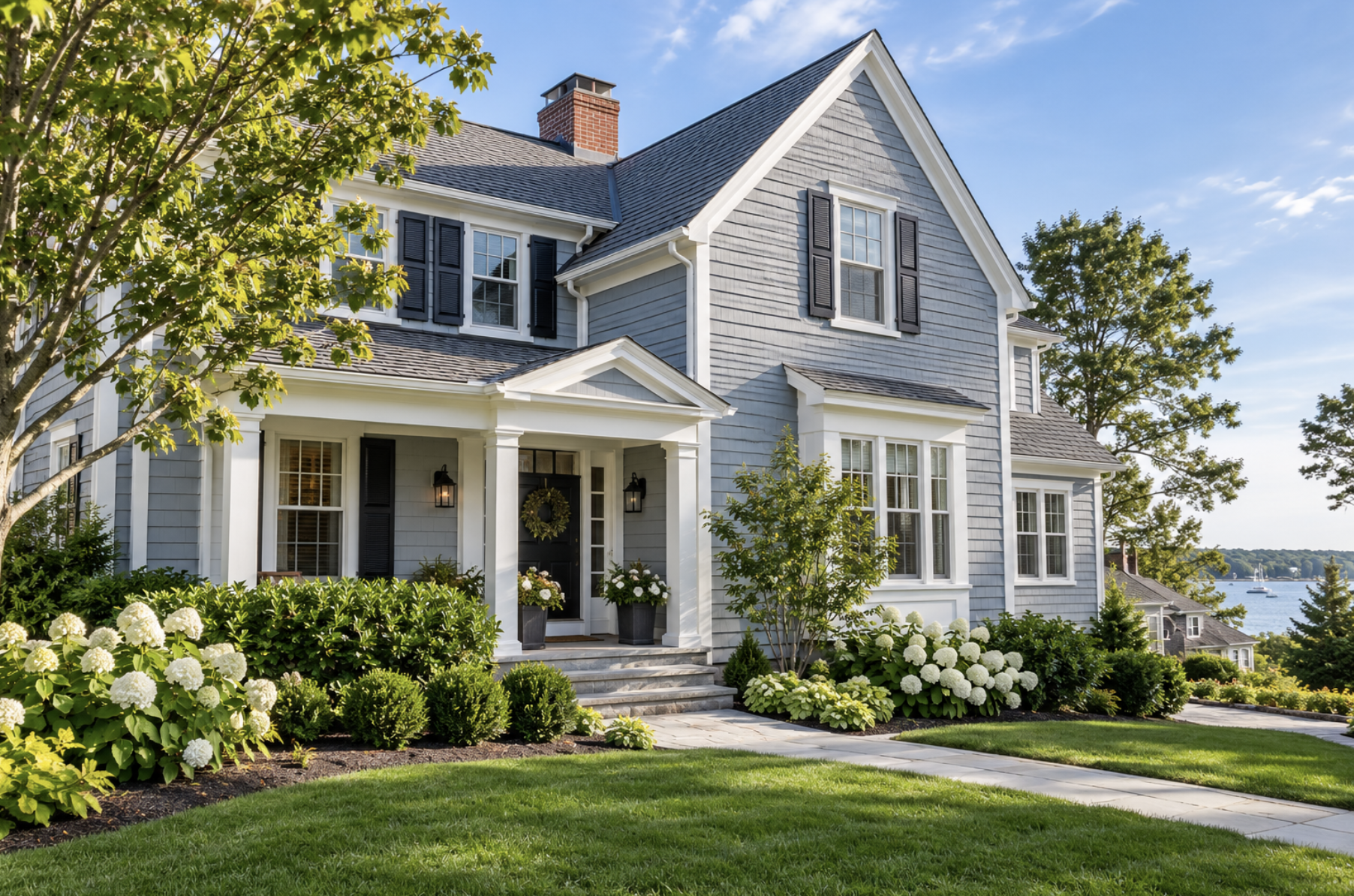
Exterior paint does much more than change the way your home looks. A properly maintained paint system also helps protect exterior surfaces from sun, moisture, temperature changes, and the demanding weather conditions common throughout New England.
So how often should you repaint?
There isn't one schedule that works for every house. The right timing depends on the material being painted, the condition of the previous coating, surface preparation, exposure to weather, and the products used.
How Long Does Exterior Paint Typically Last?
Many homeowners begin thinking about another exterior paint job somewhere within roughly five to ten years of the previous one. That range is only a general reference, however.
Some properly prepared surfaces can remain in good condition longer. Other homes may need attention sooner because of their material, exposure, moisture conditions, or the condition of the previous paint job.
Instead of relying entirely on the calendar, pay attention to what the exterior is telling you.
Your Siding Material Makes a Difference
Different exterior materials age differently.
Wood Siding
Wood requires particularly close attention because its coating helps shield the material from moisture.
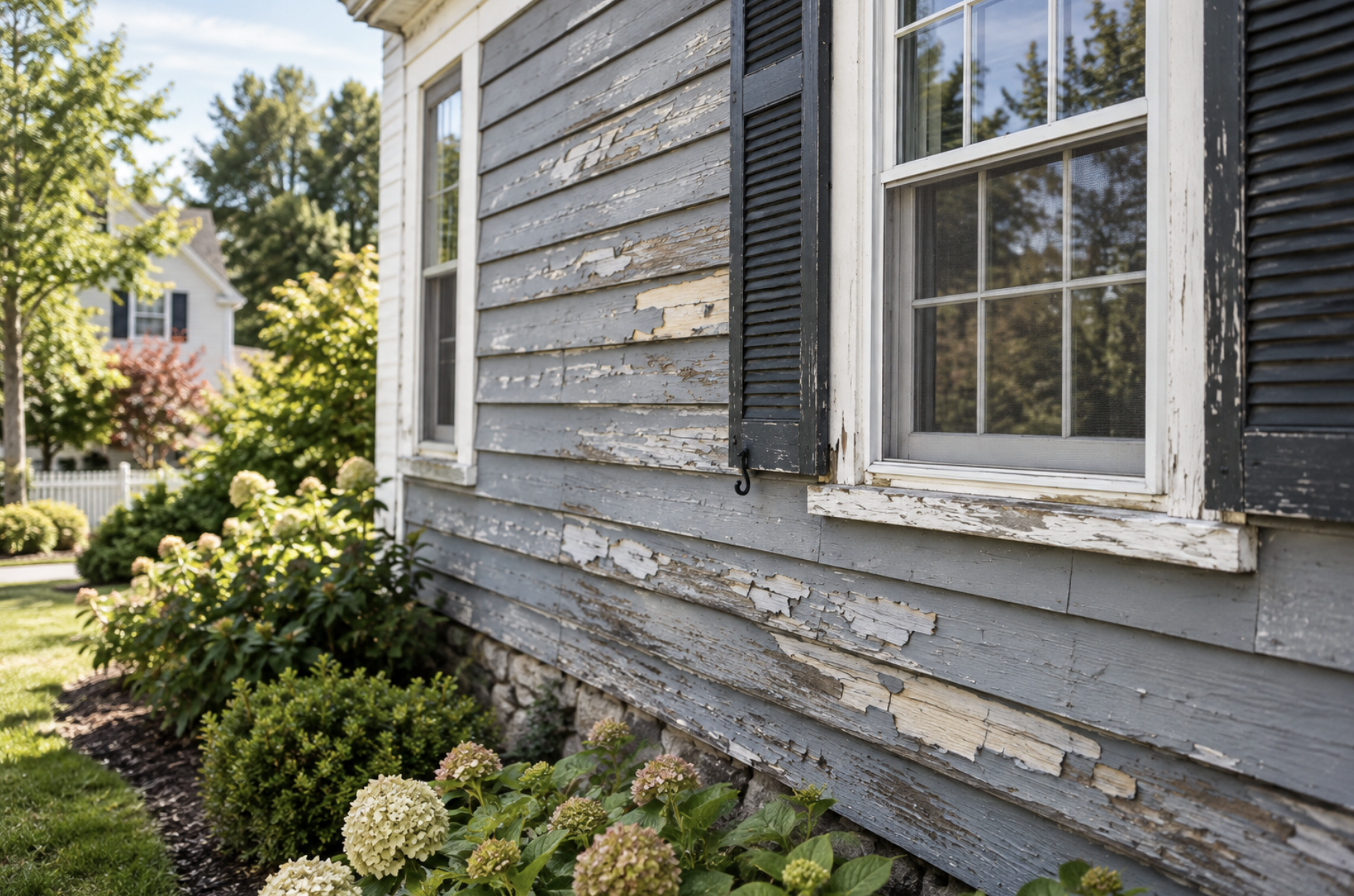
Peeling, cracking, exposed wood, or deteriorating paint should be addressed before water has more opportunity to affect the underlying surface.
Fiber Cement
Fiber cement is generally durable, but its painted finish can still fade or wear over time. How quickly that happens depends on the coating, exposure, and previous preparation.
Aluminum Siding
Painted aluminum can eventually fade, chalk, or lose adhesion. When repainting aluminum, proper cleaning and preparation are important to achieving a consistent finish.
Trim, Fascia, and Other Details
Even when the main siding still looks good, trim and other highly exposed architectural details may show wear sooner.
These areas are worth checking separately rather than assuming the entire exterior will age at exactly the same rate.
New England Weather Can Be Tough on Exterior Paint
Homes across the New Hampshire Seacoast, Southern Maine, and North Shore of Massachusetts experience significant seasonal changes.
Exterior surfaces can face:
- Strong summer sun
- Rain and humidity
- Snow and ice
- Freeze-thaw cycles
- Wind
- Coastal moisture and salt exposure in some locations
Different sides of the same home can even age at different rates. A surface receiving intense sunlight may fade faster, while a shaded or moisture-prone area can develop an entirely different set of problems.
Signs It May Be Time to Repaint
You don't necessarily need to wait for widespread paint failure.
Look for:
- Peeling or flaking
- Cracking
- Bubbling
- Noticeable fading
- Chalky residue
- Exposed wood
- Failed or separating caulk
- Areas that appear to hold moisture
- Uneven deterioration around trim
Catching deterioration earlier can also reduce the amount of preparation required before the next paint job.
Preparation Matters as Much as the Paint
The lifespan of an exterior paint job starts before the finish coat is applied.
Depending on the project, preparation may include cleaning, scraping loose coatings, sanding, repairing minor surface defects, caulking gaps, priming bare areas, and allowing surfaces to dry properly.
Applying premium paint over a poorly prepared surface does not solve underlying adhesion problems.
Should You Wait Until the Paint Starts Peeling?
Usually, no.
Peeling is an obvious warning sign, but it is not the first sign of deterioration. Fading, chalking, small cracks, failed caulk, and localized wear may appear earlier.
Repainting before severe failure develops can help protect the underlying materials and may simplify preparation.
The Best Approach: Inspect the Exterior
Rather than automatically repainting every set number of years, periodically inspect your home's exterior.
Pay particular attention to:
- Highly exposed walls
- Window and door trim
- Fascia
- Areas near rooflines
- Wood surfaces
- Moisture-prone areas
- Previous repairs
If you're unsure whether the exterior actually needs repainting, a professional evaluation can help determine whether the coating still has useful life or whether it is time to plan the next project.
Planning an Exterior Painting Project?
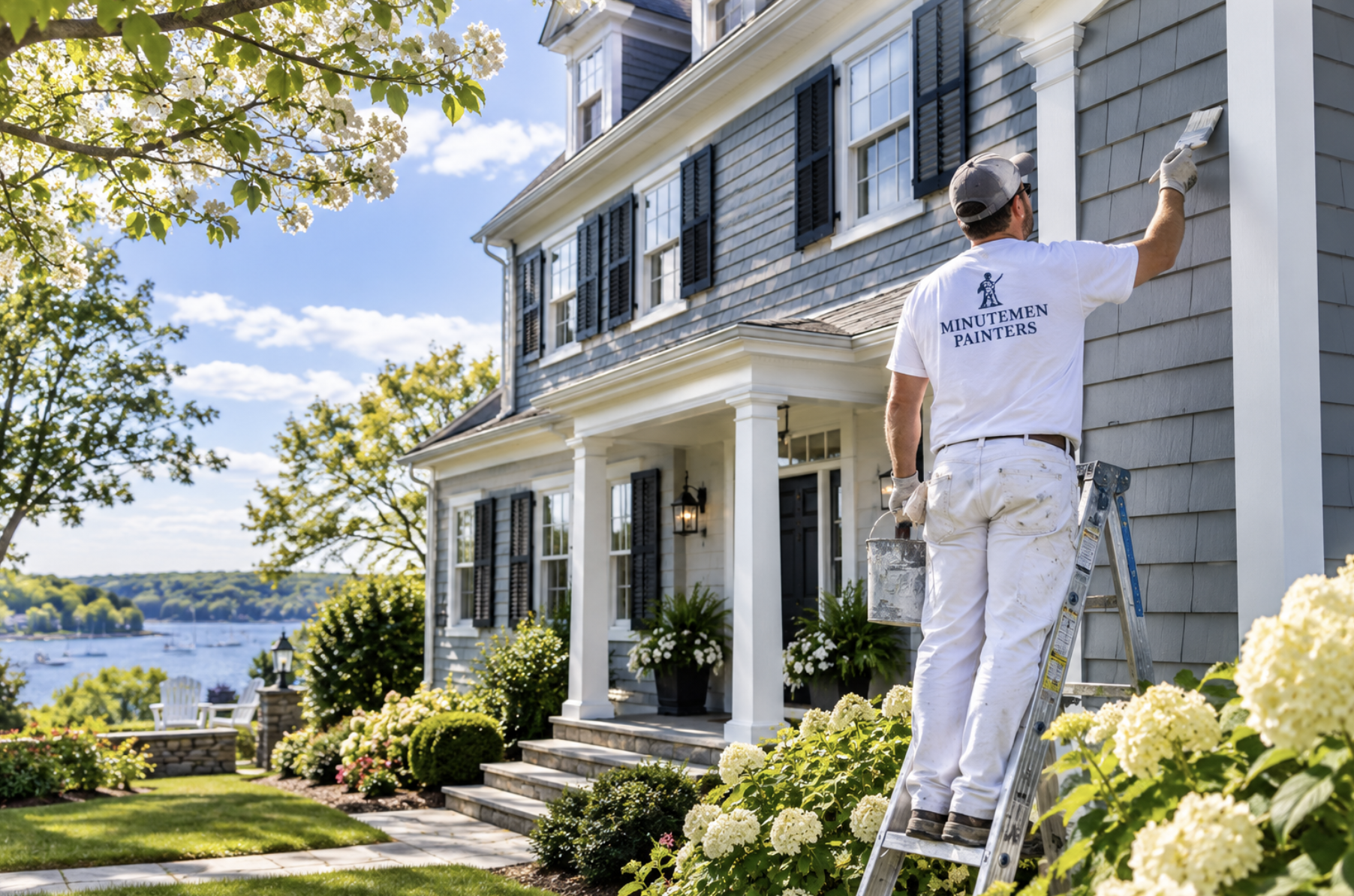
If your home's exterior is fading, peeling, cracking, or simply ready for a fresh look, Minute Men Painters can help evaluate the project and determine the preparation and exterior painting work it needs.
Planning a Painting Project?
Tell us about your painting project and request a free, no-obligation estimate.